A question effortlessly poised on the fictional/geographic Macondo is this: did civilisation arise from a rampage, Old Testament-style, one tribe in the subjugation of another, asserting territorial rights; or did it appear with the invention of culture, and the high value placed on art, science, and philosophy? The former celebrates the earthy primitivism where magic and mystery have yet to be dislodged by reason and rationality, while the latter the longer it goes on formalises itself in a body of law, military campaigns, a shared morality, town and city planning, and in the importance it places on what societies produce as artefacts and histories. Of course, there still exists a tension, or a dialogue, between the two extremes, as the anthropologists endlessly write about. If magic realism serves one purpose, it seems to me, with Marquez's Macondo in particular, it's to show that tension, in its fullest psychological panorama, in a civilisation always flirting with its flying carpets, its bodily ascensions into heaven, the dead resurrecting and returning to the living, with its little gold fishes alchemised from dead materials, and its rooms full of yellow butterflies. Jack d'Argus
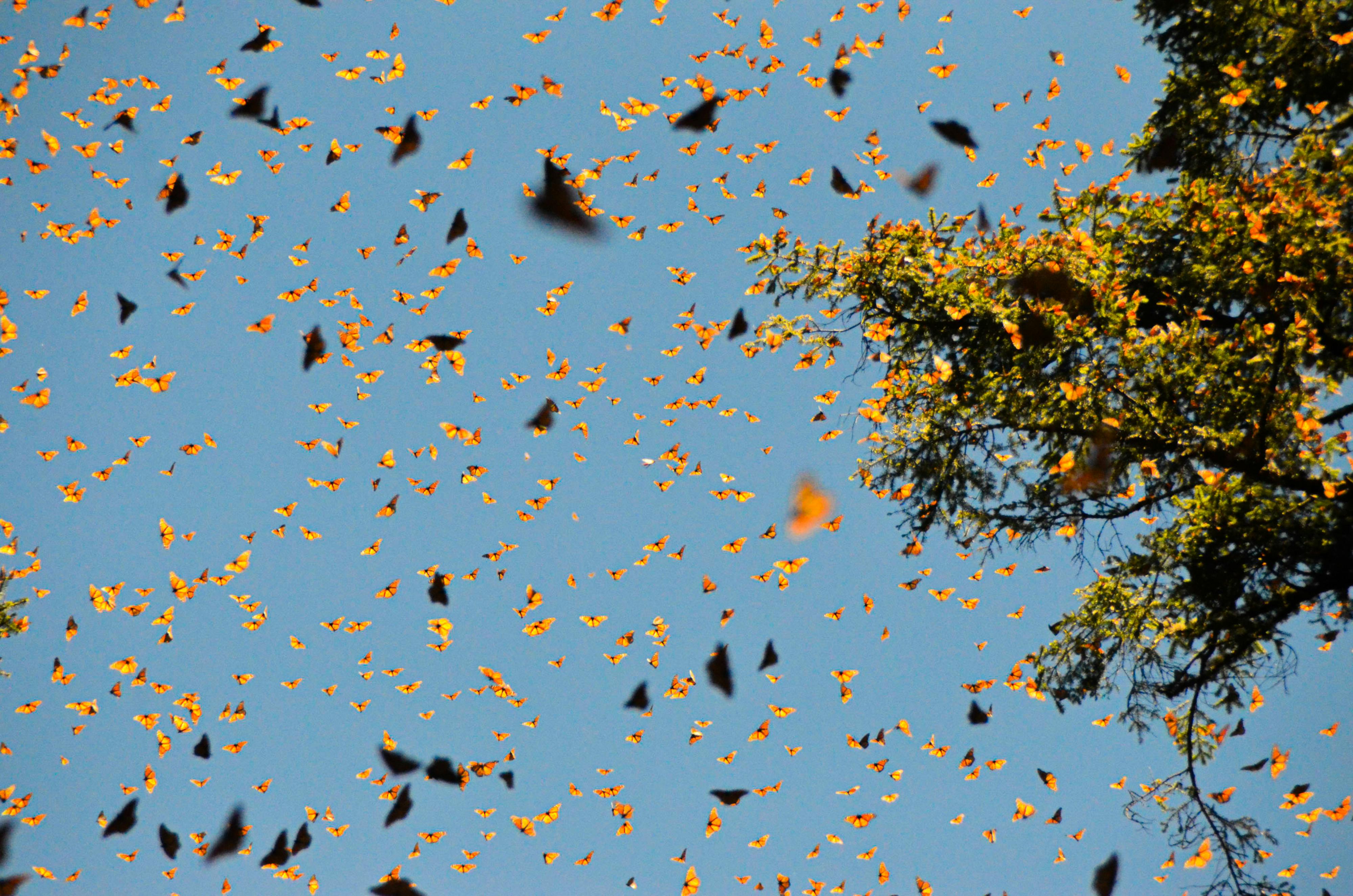
Photo by Ernesto Reiez
Leave a Comment
I hope you enjoyed this post. If you would like to, please leave a comment below.